Type beat, How Freestyle Trap Instrumentals Work and How to Use Them Legally
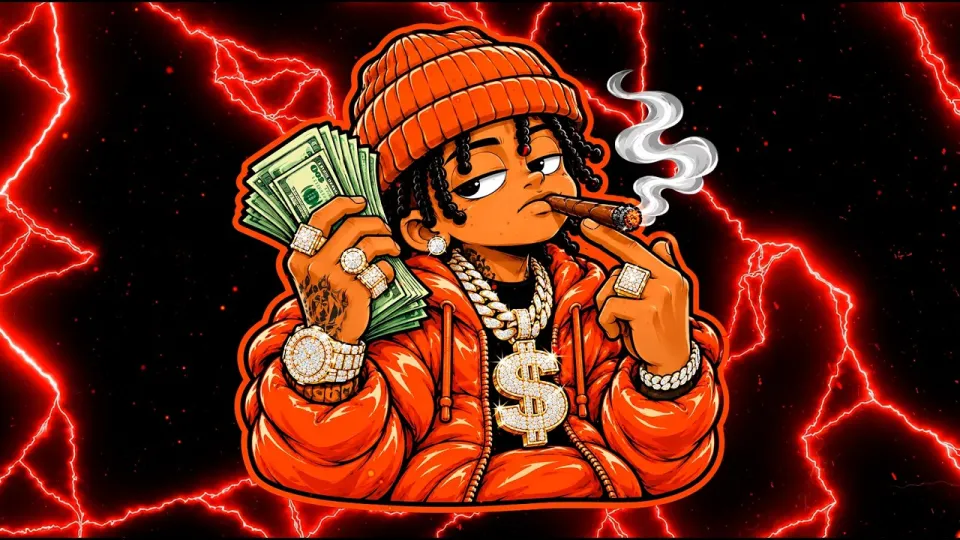
Video: FREESTYLE TYPE BEAT - ''I HAVE HARD FLOW'' | Trap Instrumental 2026 | Rap Type Beat
Need articles like this for your video? They help promote it on YouTube and Google — order them in the Telegram bot @sat_sit_bot. The bot writes and publishes the articles itself (with your YouTube video embedded) on popular topical websites (no ads). Free trial — 50 articles.
· based on the channel Rey Pandora Beats
A type beat is an original instrumental written in the style of a specific artist, scene or subgenre, sold or shared so that other rappers can record over it. Freestyle type beats are the loosest variant: sparse, loop-driven trap instrumentals built to leave room for a rapper to write or freestyle on the spot. Rey Pandora Beats publishes this kind of material, and the full catalog with licensing options sits in the Rey Pandora Beats store on BeatStars, where you can preview beats and buy the rights you need.
What a type beat actually is
A type beat is a producer's original composition that imitates the sonic signature of a known sound without copying a specific song. The label describes the intended use, not the author: a "Drake type beat" is not by Drake, and a "freestyle type beat" is not a recording, it is the empty canvas. Producers use these tags because that is how rappers search — by the vibe they want, not by the name of an unknown beatmaker.
The format has three practical consequences:
- The instrumental is royalty-managed by the producer, not by a label, so the terms are set in the description or on a beat store page.
- The same beat can be leased to many artists under a non-exclusive license, which is why cheap leases usually cap streaming numbers and radio plays.
- An exclusive buyout removes the beat from the store so no one else can use it.
Freestyle beats sit at the simplest end of this spectrum: usually one or two melodic loops, a hard 808 pattern, punchy kicks and a hi-hat roll that keeps the pocket obvious.
How a freestyle trap beat like "I Have Hard Flow" is built
A freestyle-oriented trap instrumental prioritizes the rapper's cadence over arrangement complexity. Rey Pandora Beats titles this one "I Have Hard Flow" and files it as a freestyle type beat, a trap instrumental and a rap type beat — three search routes to the same file. The construction follows the standard recipe for the style:
- Tempo: most freestyle trap sits between roughly 130 and 150 BPM, counted in half-time so the rapper feels a slow pocket with fast hi-hats on top.
- Low end: an 808 glide pattern carries the melody as much as the synth does; the kick is usually sidechained or shortened so it does not fight the bass.
- Melody: a short, repetitive loop — bell, pluck, dark piano or detuned synth — that leaves the midrange open for the vocal.
- Structure: intro, verse loop, hook variation, verse loop, outro, with 8- or 16-bar blocks so a freestyler can count bars without thinking.
- Space: minimal counter-melodies during verses, so ad-libs and doubled vocals do not crowd the mix.
That sparseness is the point. A beat with constant switch-ups forces the writer to chase the arrangement; a freestyle beat holds still and lets the flow do the work.
Free use versus commercial use: the exact terms
The license terms are the part rappers skip and later regret. Rey Pandora Beats states them plainly in the video description, and they follow the common independent-producer model:
Free use covers YouTube videos and personal projects that are not monetized. Credit is mandatory: the producer must be named as the producer in the project's description or credits.
Commercial use covers monetized YouTube videos and distribution to Spotify, Apple Music, iTunes and similar platforms. That requires purchasing a commercial license.
In practice this means a free download is a demo tool, not a release tool. If a track built on a free beat starts earning ad revenue, the license has to be upgraded before the money arrives, not after. Beat leases typically specify a maximum number of distributed copies, streams or paid performances, and those limits are written on the store page for each beat.
Choosing a beat that fits your flow
Picking a freestyle beat is a matching exercise between your cadence and the instrumental's pocket. A practical sequence:
- Rap eight bars over the beat without writing anything down. If you run out of breath or land off the snare, the tempo is wrong for you.
- Check the hook space — a beat with a wide, simple drop is easier to build a chorus on than one with a busy lead.
- Test the low end on phone speakers and on headphones; an 808 that disappears on a phone will not translate on streaming.
- Confirm the license tier before you record a keeper take, so you know whether the track can be monetized later.
- Download in the highest available quality — a 320 kbps MP3 or WAV — because a freestyle recorded over a lossy file cannot be fixed in the mix.
Producers who tag their beats with a voice watermark are protecting an unpaid file; the clean version normally comes with the purchase.
Questions rappers ask before recording
Two themes dominate listener feedback on freestyle trap uploads: the visual presentation of the beat and whether a written verse can be submitted in the comments. On the first, visuals matter less than the audio — a static cover does not affect how a beat sits under a vocal, though a consistent visual identity helps a producer's catalog feel like a catalog. On the second, verses pasted under a video are not a license and do not transfer any rights; they are just feedback. Producers generally do not claim ownership of lyrics written to their beats, but they do control the instrumental, so a posted verse still needs a license before it becomes a release.
A third recurring question is language. Trap instrumentals are language-neutral: the same beat works for English, Spanish, Indonesian or any other flow, which is why comment sections under type beats fill up with verses in several languages at once.
Where to find the beats and the license
All links connected to this release:
- Beat store and licensing: https://reypandorabeatsoff.beatstars.com/
- Rey Pandora Beats on YouTube: https://www.youtube.com/watch?v=CHN7gYSlbSI
- Direct playback link for this beat: https://www.youtube.com/watch?v=48TGvU3uvaM
- Instagram: @rey.pandora
- Contact: papapandorabeat@gmail.com
Summary
A type beat is a licensing product as much as a musical one: the instrumental defines the pocket, and the terms define what you can do with the recording. Freestyle trap beats such as "I Have Hard Flow" are built sparse and repetitive on purpose, so a rapper can write or freestyle without fighting the arrangement. Rey Pandora Beats, the channel behind this beat breakdown, keeps the rules simple — free with credit for non-monetized work, paid license for anything that earns money or goes to streaming platforms. Check the tempo and the license before you record, and the release process will not surprise you later. Browse the catalog and pick up a commercial license at the Rey Pandora Beats BeatStars store when a track is ready to go live.
Key takeaways
- A type beat is an original instrumental built in the style of a known artist, scene or subgenre, sold or shared for other rappers to record over.
- Rey Pandora Beats offers free non-monetized use with credit and requires a paid license for Spotify, Apple Music and monetized YouTube uploads.
- Free usage requires naming Rey Pandora Beats as the producer in the video description or project credits.
- Commercial licenses for the catalog are handled through the producer's BeatStars store.
- Freestyle trap beats are usually built at 130-150 BPM with sparse melodies so the vocal stays in front of the mix.
Source: FREESTYLE TYPE BEAT - ''I HAVE HARD FLOW'' | Trap Instrumental 2026 | Rap Type Beat · Markdown version
Questions & answers
Can I use a free type beat in a monetized YouTube video?
Not under the standard free-use terms. Free use typically covers non-monetized videos and personal projects with producer credit. Monetized uploads and distribution to Spotify, Apple Music or iTunes require a paid commercial license from the producer.
Do I own my lyrics if I write them over someone else's beat?
You generally own the lyrics you write, but you do not own the instrumental or the master recording made with it. To release that song you need a license for the beat, and the producer keeps control of the instrumental itself.
What tempo are freestyle trap beats usually made at?
Most sit between roughly 130 and 150 BPM and are felt in half-time, so the rapper rides a slow pocket while the hi-hats move fast. If a beat feels too fast to freestyle on comfortably, a slightly slower instrumental will usually fit better.
Does the visual style of a type beat video matter?
It affects presentation, not sound. A static or animated cover does not change how the beat sits under a vocal, but a consistent visual identity makes a producer's catalog easier to recognize and browse.